- (+44) 7553 994077
- info@csdiglobal.com
-
163 City Road, London, England, EC1V 1NR
 Eng
Eng
 简体中文
简体中文
 العربيّة

Building Circular and Innovative Schools through a No Food Waste Farm-to-Fork Approach
Globally, food waste presents a huge challenge to global sustainability agendas and approximately one-third of food produced globally is lost or wasted, raising environmental concerns. The UN SDG Goal 12 aimed to reduce food waste by 50 percent and encouraged transition towards a more circular and sustainable food system. Schools present an opportunity for food wasted intervention considering involvement in procurement, preparation, consumption, and waste management processes, mirroring wider food supply chains.
Primary schools in England generate approximately 68,000 tonnes of food waste per year with a significant number avoidable costing the sector over £200 million annually. Overall, the education sector generates 80,000 tonnes of food waste.
The simpler recycling food waste legislation 2026 by the UK government also reinforced separation of food waste and repurposing of food waste as a resource. Primary schools can function as micro-sites for exploring circular economy and sustainability transitions advanced by the Ellen MacArthur Foundation. However, empirical research on the application of circular economy principles within primary school food environments remains limited. Circular economy reduces planned obsolescence encouraging reuse of waste, in this context organic waste including behavioural change and policy shift.
Our Approaches and & Strategies
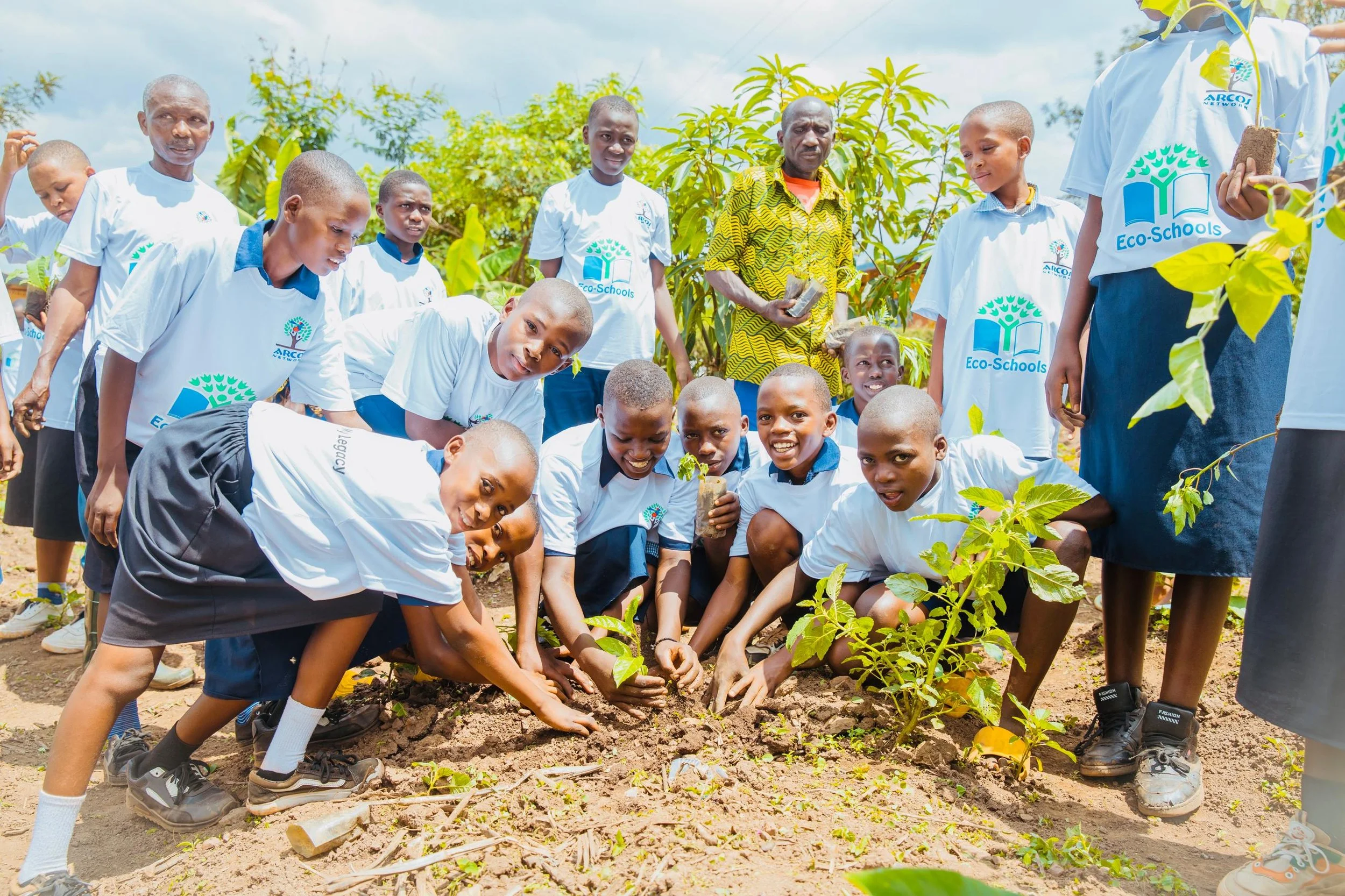
- Design Out Waste and Pollution - Closed Loops and "Waste as Food"
- Planned permanence and material reincarnation - Resisting, Postponing & Reversing obsolescence Re-Think Progress - Regenerative Agriculture, Carbon Sink & Complete Food system
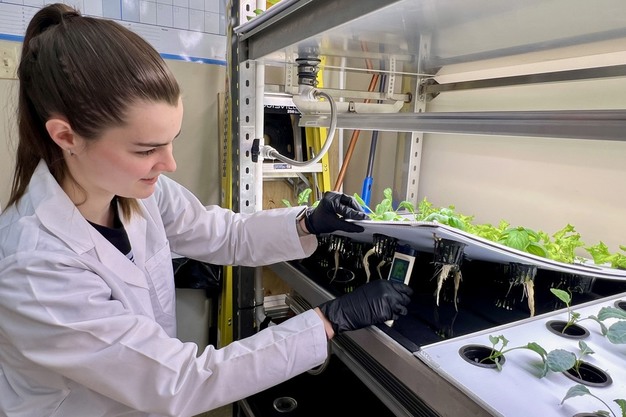
- Food Innovation & Creativity – Hydroponics, Urban Farming & Tours
- Climate Literacy and Circular Economy Trainings – Teachers, Students and Parents
- Energy Security & Net Zero – Powering a safer future for schools.