- (+44) 7553 994077
- info@csdiglobal.com
-
163 City Road, London, England, EC1V 1NR
 Eng
Eng
 简体中文
简体中文
 العربيّة
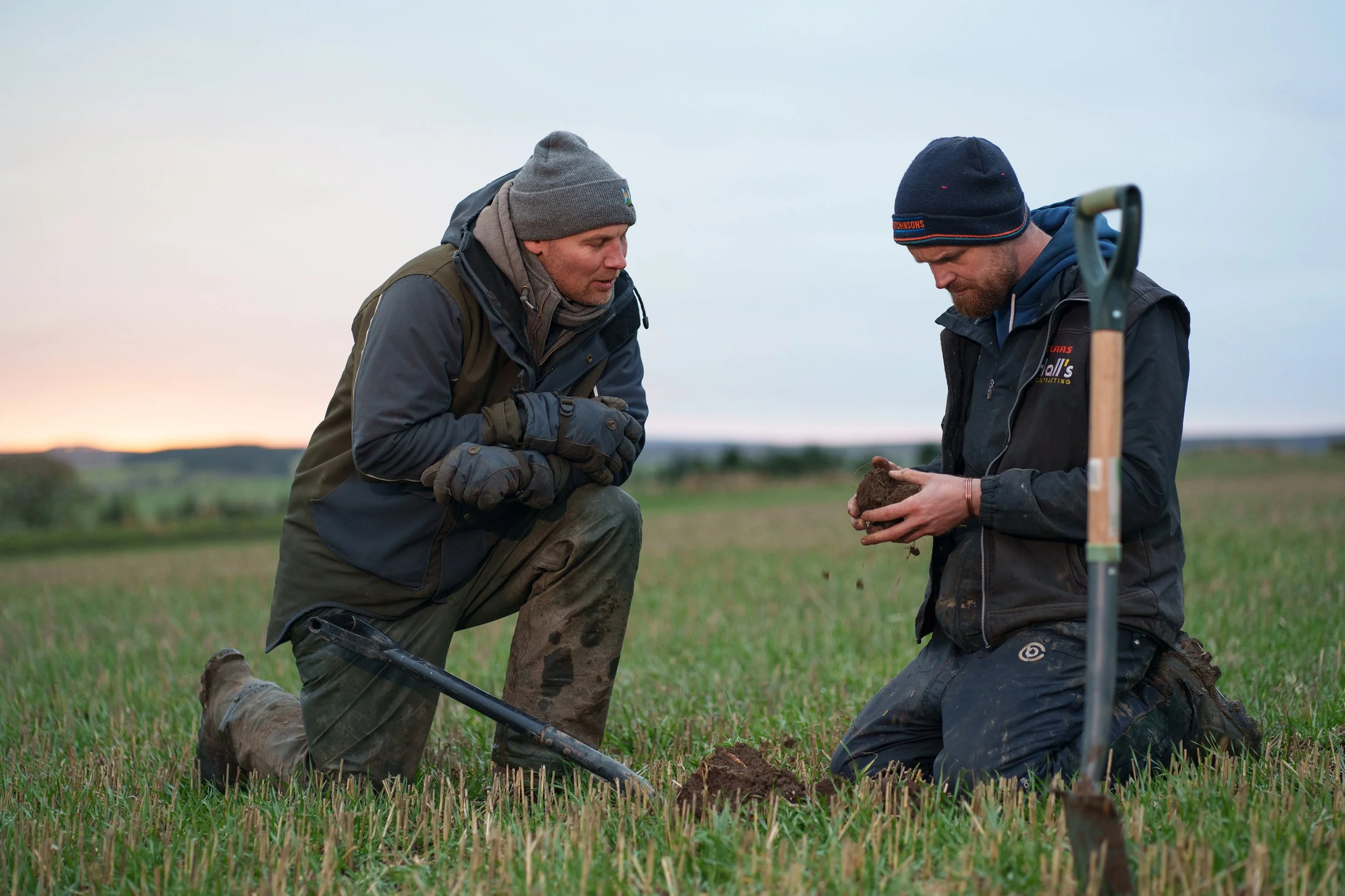
CSDI works with farm communities to design circular systems that regenerate land, reduce waste, and strengthen local wellbeing.
CSDI works with farm communities to design circular systems that regenerate land, reduce waste, and strengthen local wellbeing. With agriculture covering 70% of UK land and contributing around 10% of national greenhouse gas emissions, the shift toward circular and regenerative practices is both urgent and transformative. Each year, an estimated 3.3 million tonnes of food is lost or wasted on UK farms, highlighting the scale of opportunity for on‑farm valorisation and closed‑loop solutions. Through research, innovation, and community partnership, we support growers to reduce waste, restore soil health, enhance biodiversity, and create inclusive green jobs—demonstrating how circular farming can power a more sustainable and equitable future.
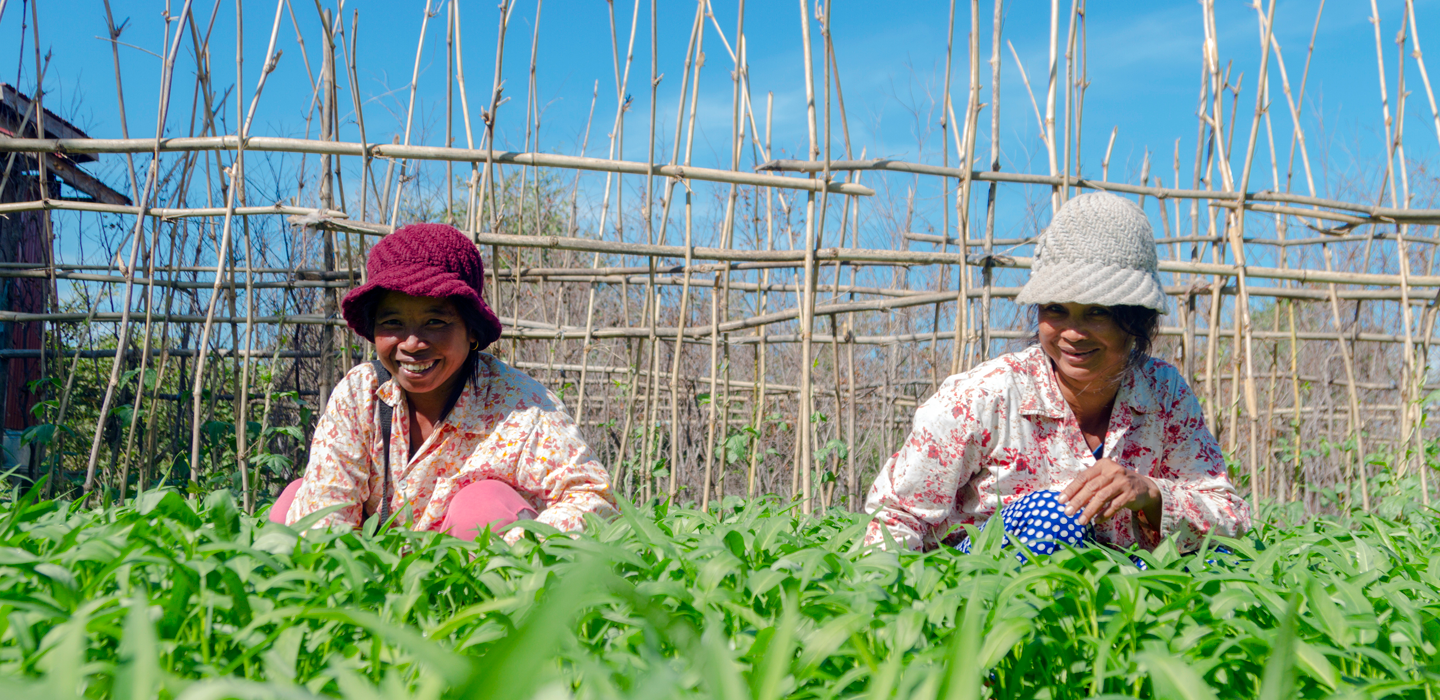
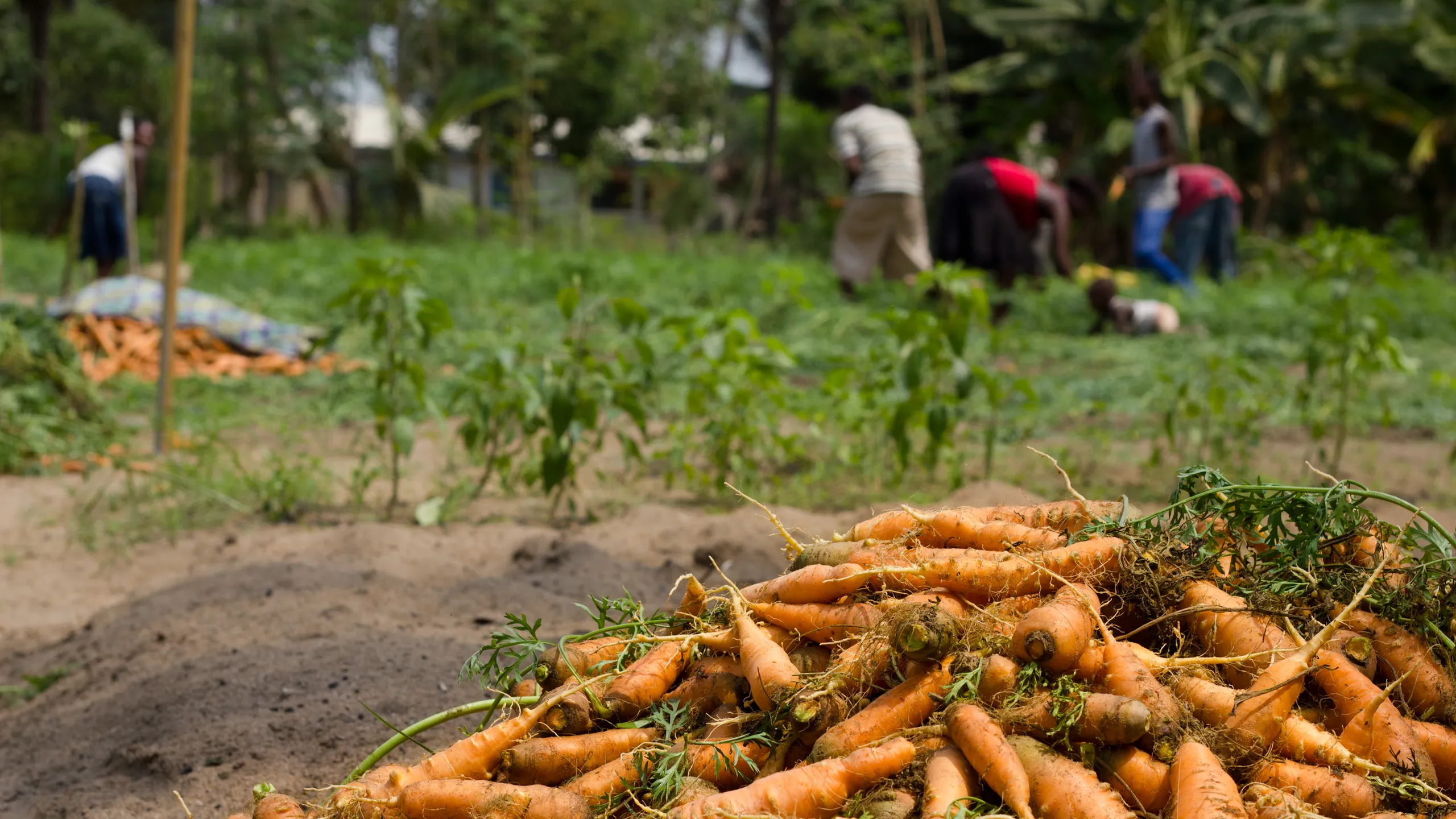
Our Approaches and & Strategies
At CSDI we use varied approaches to achieve this goal.
- Reduce Food Loss and Waste (FLW) at Farm Level: by conducting on-farm FLW assessments to identify hotspots, support farms to adopt valorisations and right redistribution models, develop simple tools to measure and track waste.
- Build Close-Loop Resource Systems: by designing nutrient-cycling systems and water re-use and recycling systems,
- Regenerative Land & Soil Health Practices: developing soil diagnostic tools and frameworks, awareness workshops with farms and communities demonstrating regenerative methods and related policies and regulations
- Innovation in Insect‑Based & Nature‑Positive Systems: develop small-scale insect based bioconversion units in farms for FLW valorisation, train farmers to use these systems, partnerships with universities and other research centres for innovation trials and pilot solutions
- Data, Skills & Knowledge Exchange: Create simple digital tools for tracking waste, soil health, and resource flows, develop knowledge hub with toolkits and case studies and deliver training programmes for farmers, students, and community groups on circular farming.
- Green Jobs, Community Engagement & Inclusive Growth By mapping green job pathways in circular agriculture (waste valorisation, soil health, biodiversity, data roles) and co‑design community‑based farm projects that build skills and local resilience, support farms to become community learning sites for sustainability and wellbeing.